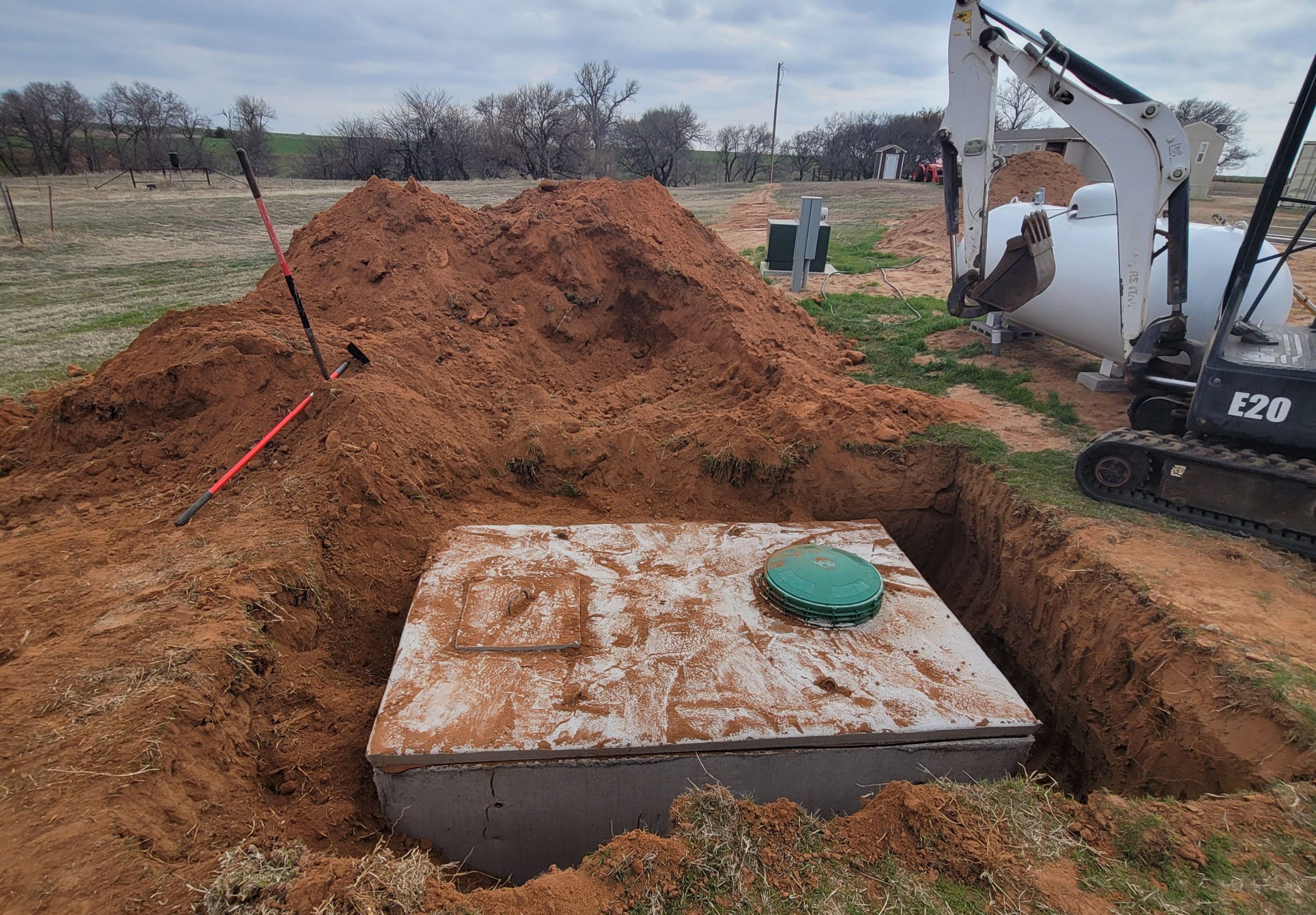
Septic Tank Installation Near Northern Colorado | Spring Guide
Is Spring the Best Time for Septic Tank Installation Near Northern Colorado?
You’ve probably been going back and forth on this.
The ground is finally thawing. Snow is melting across Northern Colorado. And suddenly, that septic project you’ve been putting off feels more real.
But with that comes a lot of questions.
Is the ground too wet?
Will it cost more right now?
Should you wait until summer?
What if you start and run into delays?
If you’re a homeowner dealing with a failing system, building on new land, or planning ahead, this decision carries weight. A septic system isn’t a small project. It’s something that needs to work properly for decades.
So the question is worth asking carefully:
Is spring actually the right time for septic tank installation near Northern Colorado, or just the most convenient time to think about it?
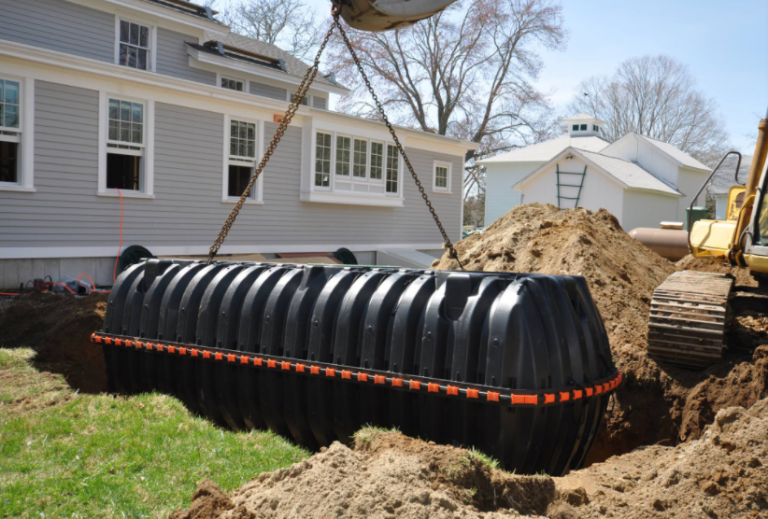
Why Homeowners in Northern Colorado Start Considering Septic Installation in Spring
Spring tends to bring clarity.
After months of snow and frozen ground, properties become visible again. Access improves. Plans that were on hold during winter start moving forward.
This is often when:
New construction projects begin
Property owners revisit delayed improvements
Existing septic issues become more noticeable after winter
Contractors start opening up their schedules
There’s also a practical side to it. Many people want their land ready before summer, especially if building or heavy outdoor use is planned.
That makes spring one of the busiest seasons for septic-related work across Northern Colorado.
How Snow-melt and Soil Conditions Affect Septic Tank Installation Near Northern Colorado
This is one of the most important factors, and it’s often underestimated.
Spring in Northern Colorado isn’t just warmer weather. It’s a transition period where soil conditions can vary significantly depending on location, elevation, and recent weather.
As snow melts, water moves into the ground. In some cases, especially in areas with clay-heavy soil, drainage can be slow. This can lead to:
Saturated or soft ground
Temporary pooling of water
Reduced soil stability during excavation
Delays in certain phases of installation
For septic systems, soil behavior matters. The system depends on proper absorption and drainage, especially in the drain field.
That’s why spring conditions can be both helpful and challenging.
They reveal how the land handles water, which is valuable for planning. But they can also make timing more sensitive.
The Pros of Scheduling Septic Tank Installation in Spring
Spring offers several advantages, particularly for homeowners planning ahead.
1. Early start to the construction season
Beginning in spring can keep larger building or development timelines on track.
2. Better visibility into drainage patterns
Spring conditions show how water naturally moves through the property, which helps inform system design.
3. Increased contractor availability (early in the season)
Before peak demand hits in summer, scheduling may be more flexible.
4. Ground is no longer frozen
This allows excavation to begin without the limitations of winter conditions.
5. Completion before peak summer use
Having a system installed before summer can reduce disruptions during high-use months.
For many properties, these factors make spring a practical and efficient option.
The Challenges of Spring Septic Tank Installation in Northern Colorado
At the same time, spring introduces variables that need to be considered.
1. Soil saturation
Wet ground can slow excavation or require adjustments in timing.
2. Weather variability
Late snow, rain, or temperature swings can affect project schedules.
3. Permit processing timelines
Spring is a busy season for local agencies, which can impact approval speed.
4. Increasing demand for contractors
As the season progresses, availability can become more limited.
These factors don’t prevent installation, but they do require planning and flexibility.
Spring vs Summer: When Is the Better Time for Septic Tank Installation Near Northern Colorado?
Comparing spring and summer helps put the decision into perspective.
Spring tends to offer:
Earlier project start
Insight into real-world drainage conditions
Potential scheduling advantages early in the season.
Summer typically offers:
Drier soil conditions
More consistent weather
Fewer weather-related interruptions
Neither season is universally better. The right choice depends on:
Soil type and drainage characteristics
Property layout
Project timeline
Availability of contractors and permits
For some properties, spring conditions provide useful information that leads to better system design. For others, waiting for drier ground may simplify installation.
What Soil Testing and Site Conditions Mean for Spring Septic Projects
Before any septic system is installed, the property must be evaluated.
This includes soil testing, site layout, and understanding how water interacts with the land.
Spring can be a valuable time for this process.
Because the ground is often holding more moisture, it can highlight:
Drainage limitations
Areas prone to saturation
Soil composition challenges
These insights help guide decisions about:
System type
Drain field placement
Installation depth
Long-term performance expectations
In many cases, what’s observed in spring helps prevent issues later.
How to Prepare Your Property for Septic Tank Installation in Spring
Preparation can make a noticeable difference in how smoothly a project moves forward.
Homeowners can take a few practical steps:
Walk the property after snow-melt to observe water flow
Identify low areas or spots where water collects
Ensure access for equipment is clear
Gather any existing surveys or property records
Begin conversations with contractors early
Even small steps like these can reduce delays and improve planning accuracy.
When to Schedule Your Septic Tank Installation Near Northern Colorado for the Best Results
Timing is less about choosing a specific month and more about starting the process early enough.
For most homeowners, that means:
Beginning discussions in late winter or early spring
Allowing time for site evaluation and permitting
Scheduling installation based on actual ground conditions
Projects that are planned early tend to have more flexibility and fewer surprises.
Waiting until peak season can limit options and extend timelines.
How to Choose the Right Contractor for Septic Tank Installation Near Northern Colorado
While timing is important, the approach to the project matters just as much.
A septic system is a long-term investment. It requires careful planning, proper installation, and attention to site-specific conditions.
When evaluating contractors, it’s helpful to look for:
Experience with local soil and drainage conditions
Clear communication about process and expectations
Willingness to evaluate the property thoroughly
Flexibility based on seasonal condition.
In areas like Larimer County, Weld County, and Boulder County, where soil and terrain can vary, a tailored approach is especially important.
Companies such as Silverline Excavation, based in Wellington, work within these conditions regularly. The key difference from project to project is not the season alone, but how the installation is adapted to the property itself.
Spring can be a strong option for septic installation, but it isn’t automatically the best choice in every situation.
The right timing depends on your land, your goals, and how the project is planned.
For homeowners considering Septic Tank Installation Near Northern Colorado, understanding how seasonal conditions affect the process is the first step toward making a confident decision.


