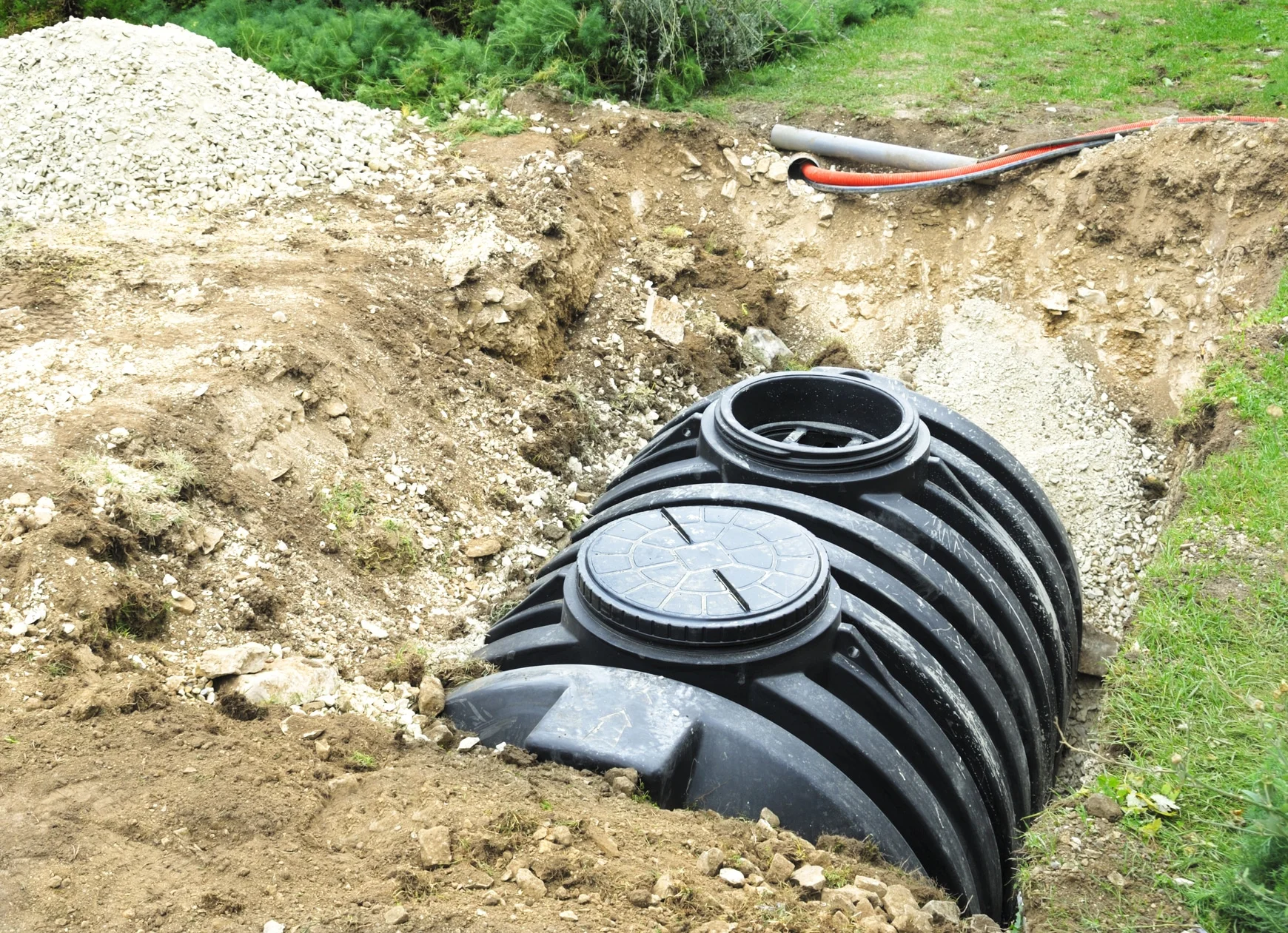
Plastic vs. Concrete Septic Tanks near Weld County, Colorado
Why Choosing the Right Septic Tank in Weld County Feels So Overwhelming for Homeowners
If you’re here, there’s a good chance you’re feeling the pressure.
Maybe you’re building on acreage outside town. Maybe you’re replacing a system that just failed inspection. Maybe you’re under a deadline with permits, your builder is waiting, and everyone keeps asking the same question:
“Do you want plastic or concrete?”
And the honest answer is… you don’t know yet.
You’re not a septic engineer. You’re a homeowner trying to make a smart decision that you won’t regret ten, twenty, or thirty years from now. You’re thinking about your budget, your land, your family, and your future resale value all at the same time.
You might even be worried about making the wrong choice and paying for it later.
We talk with people across Wellington, Larimer County, and Weld County every week who are in this exact spot. They’re not looking for the cheapest option. They’re looking for the right option for their soil, their water table, their usage, and their long-term plans.

Understanding Septic Tank Basics for Northern Colorado Properties
Your septic tank is not just a box in the ground. It’s the foundation of your entire wastewater system.
It has to:
Handle daily household use
Work with your soil conditions
Survive Colorado winters
Pass inspections
Last for decades
And in Northern Colorado, those requirements matter more because conditions vary so much from one property to the next.
Sandy soils, heavy clay, high groundwater, large rural lots, and cold winters all play a role in how well your system performs.
That’s why the plastic vs. concrete conversation isn’t really about the tank alone.
It’s about your land.
Plastic vs. Concrete Septic Tanks in Weld County, Colorado: What’s the Core Difference?
At the most basic level:
Plastic (poly) septic tanks are lightweight and flexible.
Concrete septic tanks are heavy and extremely strong.
That difference affects everything:
Installation method
Cost
Lifespan
Risk of movement in the ground
Load-bearing capacity
Neither option is automatically better. The right choice depends on your property conditions and how the system will be used.
How Weld County Soil Conditions Affect Your Septic Tank Choice
Soil in Weld County can range from sandy and well-draining to dense clay that holds water.
This matters because:
Saturated soil can push against a tank
Expansive clay can shift over time
Loose soils can allow movement
Concrete tanks resist movement because of their weight.
Plastic tanks rely on proper installation and backfilling to stay in place.
On the right site, a poly tank performs well.
On the wrong site, it can become a long-term issue.
This is why a one-size-fits-all recommendation doesn’t work here.
Colorado Freeze-Thaw Cycles: Which Septic Tank Handles Winter Better?
Northern Colorado winters are not mild. The ground freezes. Then it thaws. Then it freezes again.
That constant expansion and contraction puts stress on underground structures.
Concrete tanks handle this well because of their mass and rigidity.
Plastic tanks flex slightly, which can be an advantage in some conditions, but they must be installed correctly with proper bedding and backfill to avoid shifting.
When we evaluate a property, frost depth, drainage, and soil moisture all factor into the recommendation.
Installation Differences Between Plastic and Concrete Septic Tanks
Plastic tanks:
Easier to transport
Installed without heavy lifting equipment
Faster placement in tight-access areas
Concrete tanks:
Require larger equipment to set
Heavier and more labor-intensive to place
Extremely stable once installed
For some rural Weld County properties with limited access, a poly tank can solve a logistical problem.
For others with plenty of space and heavy-use demands, concrete becomes the stronger long-term solution.
Upfront Cost Comparison for Plastic vs. Concrete Septic Tanks in Weld County
Yes, there is usually a price difference.
Plastic tanks often have:
Lower material cost
Lower transport cost
Faster installation time
Concrete tanks often have:
Higher initial cost
Higher delivery and placement cost
But focusing only on upfront cost can be misleading.
A septic system is a 30–40 year decision, not a short-term purchase.
Long-Term Value: Lifespan, Maintenance, and Replacement Considerations
Concrete tanks are known for longevity. Many last several decades when properly maintained.
Plastic tanks are corrosion-resistant and do not crack the way concrete can if subjected to certain conditions.
The real long-term value depends on:
Soil stability
Drainage
Installation quality
Usage level
A well-installed system—plastic or concrete—outlasts a poorly installed one every time.
Risk Factors: Floating Tanks, Cracking, and Structural Failures
This is one of the biggest concerns homeowners have.
In areas with high groundwater:
Lightweight tanks can shift if not properly secured
This is often called “floating”
Concrete tanks resist this because of their weight.
On the other hand:
Poorly installed concrete tanks can crack
Improper bedding can cause settling
The takeaway is simple:
Most septic tank failures are installation-related, not material-related.
Weight, Strength, and Traffic Loads on Rural and Acreage Properties
If your tank will be anywhere near:
Driveways
Equipment paths
Barn access
Future shop buildings
That load rating matters.
Concrete tanks handle traffic and weight better.
This becomes a major factor on larger Weld County properties where land use changes over time.
Septic Tank Performance for New Construction vs. Existing Home Replacements
New construction gives more flexibility.
Tank placement, access, and soil preparation can all be optimized.
Replacements often have:
Space limitations
Existing system layout
Landscaping to work around
In some of these cases, a plastic tank allows installation where a concrete tank physically cannot be set.
Inspection, Permitting, and Code Considerations in Weld County
Local regulations don’t just look at the tank type.
They look at:
System design
Capacity
Site conditions
Installation method
Choosing the right tank from the start helps avoid delays, redesigns, and costly changes during the permit process.
Which Septic Tank Is Better for High Water Tables and Saturated Soil?
This is one of the most common local concerns.
In high groundwater areas:
Concrete often provides better long-term stability.
But proper design can allow a poly tank to perform well in certain controlled conditions.
Site evaluation always comes first.
Environmental Impact and Long-Term Ground Protection
Both materials are safe when installed correctly.
What matters most is:
Watertight integrity
Proper treatment flow
Protection of surrounding soil and groundwater
A failing system—of any material—is the real environmental risk.
How We Help Northern Colorado Homeowners Choose the Right Septic Tank for Their Land
Every property is different.
That’s why our process starts with questions:
How long do you plan to live here?
What will the property be used for?
What are the soil and drainage conditions?
Is there vehicle traffic over the system?
From there, we match the system to the land and the homeowner’s goals.
Not the other way around.
The Most Common Mistakes Homeowners Make When Selecting a Septic Tank
Choosing based on price alone
Not thinking about future land use
Ignoring soil conditions
Rushing the decision to stay on schedule
These are understandable. You’re managing a big project with a lot of moving parts.
But this one decision affects your property for decades.
How Your Septic Tank Choice Affects Property Value and Future Buyers
Buyers in Weld County are paying closer attention to septic systems than ever before.
A well-designed, properly documented system:
Passes inspection faster
Adds confidence to a sale
Reduces negotiation issues
That makes your choice today part of your long-term investment.
Plastic vs. Concrete Septic Tanks: The Best Choice for Different Property Types
Concrete often makes sense for:
High-traffic areas
Large households
Long-term homes
High groundwater zones
Plastic often makes sense for:
Tight access sites
Replacement systems
Properties with limited equipment access
Specific soil conditions
The winner is not the material.
The winner is the one that fits your land and your life.
Key Questions to Ask Before Installing a Septic Tank in Weld County
What are my soil conditions?
Will anything drive over this area in the future?
How long do I plan to own this home?
Is groundwater a factor on my property?
What does the long-term maintenance look like?
When you have clear answers to these, the decision becomes much easier—and much less stressful.


