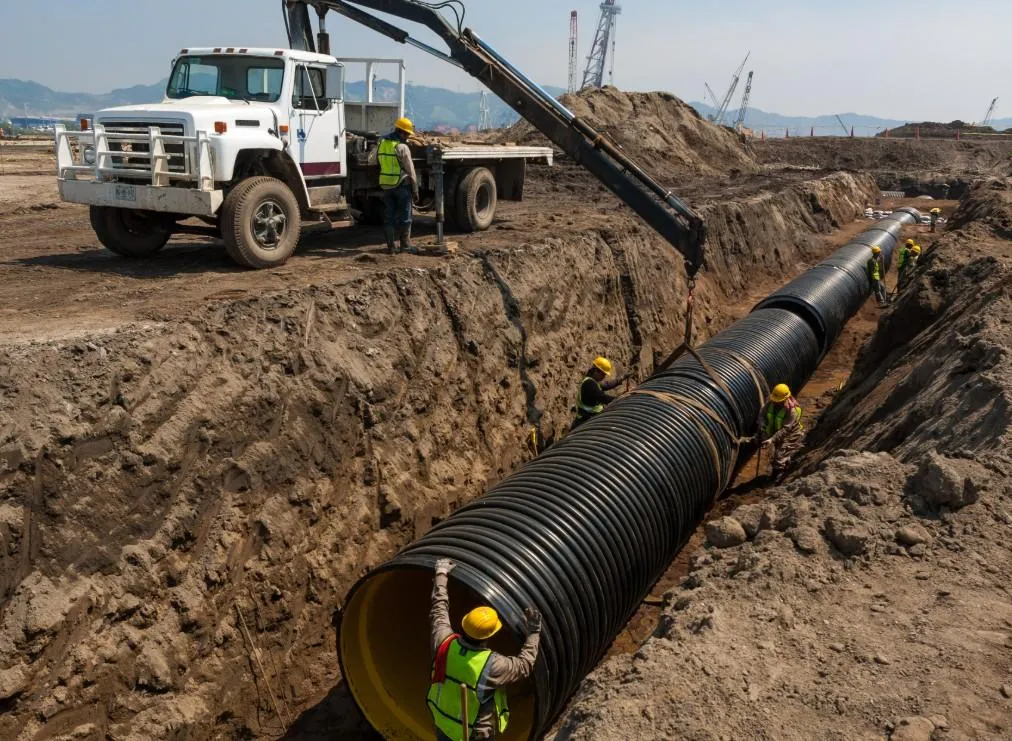
Top Drainage Systems Near Northern Colorado | Real Reviews & Expert Guide
Why Drainage Problems Are So Common in Northern Colorado Homes
If you live in Northern Colorado, you’ve probably had that moment.
You walk outside after a heavy rain or spring snowmelt, and your yard feels soft… too soft. Water pools near your foundation. Your basement smells damp. Maybe you’ve even seen cracks starting to form.
And you think, “This isn’t normal… is it?”
We talk to homeowners across Wellington, Fort Collins, Greeley, and Boulder all the time who feel the same way. Frustrated. Confused. Sometimes even a little worried about what this could turn into.
The truth is, drainage problems are incredibly common in this part of Colorado. Between clay-heavy soils, sudden storms, and freeze-thaw cycles, water doesn’t always go where it should. Instead, it sits, seeps, and slowly causes damage you can’t always see right away.
At Silverline Excavation, LLC, we’ve seen it firsthand across Larimer County, Weld County, and Boulder County. And if you’re dealing with it, you’re not alone. The good news is there are solutions that actually work when they’re done right.
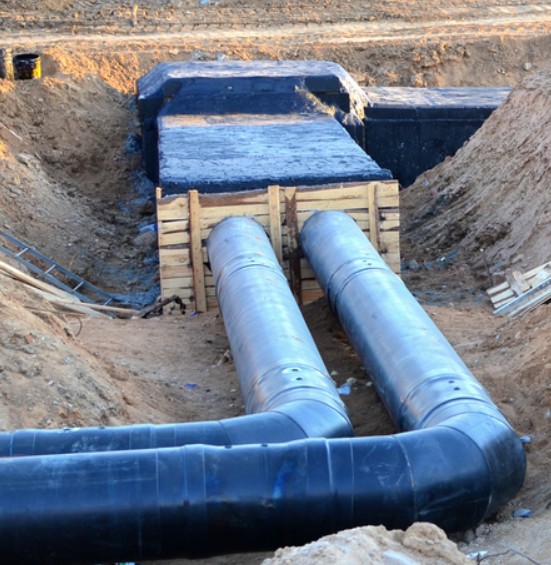
What Happens When You Ignore Poor Drainage (Real Risks Homeowners Face)
It’s easy to put drainage issues off. Life gets busy, and if the water goes away after a day or two, it might not feel urgent.
But here’s what many homeowners later tell us they wish they had known:
Water around your foundation can lead to structural damage
Basement moisture can turn into mold and air quality issues
Standing water can kill grass and landscaping
Freeze-thaw cycles can worsen cracks in concrete and soil movement
That’s why finding the right Drainage System Near Northern Colorado, CO isn’t just about convenience. It’s about protecting your home long-term.
How to Choose the Right Drainage System Near Northern Colorado, CO
Not every drainage problem is the same. That’s where many homeowners get stuck.
You might search online and see options like French drains, trench drains, dry wells… and suddenly it feels overwhelming.
Here’s a simple way to think about it:
Where is the water coming from? (roof runoff, slope, groundwater)
Where is it collecting? (yard, foundation, driveway)
How fast does it need to move away?
The right system depends on your property’s layout, soil type, and how water behaves during storms or snowmelt.
That’s why a one-size-fits-all approach rarely works here in Northern Colorado.
French Drains: Pros, Cons, and Real Homeowner Reviews
French drains are one of the most talked-about drainage systems, and for good reason.
They work by using a perforated pipe buried in gravel to redirect water away from problem areas.
What homeowners like:
Great for groundwater and soggy yards
Can protect foundations effectively
Long-lasting when installed correctly
What homeowners don’t like:
Requires proper grading to work well
Can clog if not installed with the right materials
Installation can be disruptive to landscaping
Surface Drainage Systems: When They Work and When They Fail
Surface drains are designed to collect water at ground level and move it away quickly.
You’ll often see them in areas where water pools after rain.
Best for:
Driveways
Patios
Low spots in yards
Limitations:
Doesn’t solve deeper soil saturation
Can clog with debris if not maintained
That’s a common theme. Surface systems are helpful, but they’re often just one part of a bigger solution.
Trench Drains vs. Channel Drains: Which Is Better for Your Property?
These systems are often used interchangeably, but they serve slightly different purposes.
Trench drains are wider and handle larger volumes of water
Channel drains are more compact and often used in residential settings
If water rushes across your driveway during storms, a trench drain might be the better option. For smaller areas, channel drains usually do the job.
Homeowners often say the difference comes down to how much water you’re dealing with.
Dry Wells and Underground Drainage Solutions Explained
Dry wells are designed to collect water and slowly disperse it into the surrounding soil.
They’re a good option when:
You don’t have a clear exit point for water
You want to manage runoff underground
But here’s the catch in Northern Colorado:
Clay soil doesn’t absorb water quickly.
That means dry wells need to be designed carefully, or they can fill up and stop working effectively.
Grading and Yard Slope Correction: The Overlooked Fix That Changes Everything
This is one of the most important, yet most overlooked, solutions.
Sometimes the issue isn’t the drainage system itself. It’s the way your yard slopes.
If water naturally flows toward your home, no system will fully fix the problem until the grading is corrected.
We’ve worked with homeowners in Wellington who tried multiple drainage fixes before realizing the slope was the root cause.
Once corrected, everything else started working as it should.
Sump Pumps and Interior Drainage Systems: Do You Really Need One?
If you’re dealing with basement water, interior systems might be part of the solution.
Sump pumps help remove water that collects inside or beneath your home.
They’re especially useful when:
Groundwater is high
Exterior drainage alone isn’t enough
But they’re not always the first step. In many cases, fixing exterior drainage reduces the need for interior systems.
Best Drainage Systems for Clay Soil in Northern Colorado
Clay soil holds water. That’s just how it works.
Because of that, the best systems here often include:
French drains with proper filtration
Grading adjustments to move water away
Combined surface and subsurface systems
Homeowners who get the best results usually use a combination of methods instead of relying on just one.
Real Reviews from Northern Colorado Homeowners (What Actually Worked)
Here’s what we consistently hear:
“The solution that worked wasn’t what we expected.”
“Fixing the slope made a bigger difference than anything else.”
“We wish we had done this sooner.”
Every property is different, but the pattern is clear. Customized solutions outperform quick fixes every time.
Common Drainage Mistakes Homeowners Regret (And How to Avoid Them)
Some of the most common mistakes include:
Installing the wrong system for the problem
Skipping proper grading
Trying DIY fixes that don’t last
Not planning for long-term water flow
These mistakes often lead to spending more money later.
Cost Breakdown: What You Can Expect to Pay for Drainage Solutions
Costs can vary depending on the solution:
Surface drains: lower cost but limited scope
French drains: moderate investment with strong results
Full yard grading and drainage systems: higher upfront cost, but long-term value
Many homeowners tell us the same thing: fixing it right the first time would have saved money.
DIY vs. Professional Drainage Installation: What’s Worth It?
DIY can work for small issues.
But larger drainage problems usually require:
Proper equipment
Understanding of soil and water movement
Long-term planning
That’s where professional installation makes a difference.
How Silverline Excavation Customizes Drainage Systems for Northern Colorado Properties
At Silverline Excavation, LLC, we don’t believe in cookie-cutter solutions.
Every property in Larimer County, Weld County, and Boulder County is different. Soil, slope, water patterns, all of it matters.
Our approach is simple:
Understand how water moves on your property
Identify the root cause, not just the symptom
Build a system that fits your specific needs
We’re not here to sell you the most expensive option. We’re here to help you find what actually works.
Final Thoughts: Choosing the Best Drainage System for Your Home
If you’re dealing with drainage issues, it’s easy to feel overwhelmed.
There are a lot of options, and not all of them will work for your situation.
But here’s what matters most:
The best Drainage System Near Northern Colorado, CO is the one designed specifically for your property.
When the right system is in place, you’ll notice the difference quickly. No more standing water. No more worrying after every storm.
Just a yard and home that works the way it should.
And that peace of mind? That’s worth it.


