Warning Signs You Need Drainage Installation Near Weld County, Colorado
You probably did not plan on worrying about water.
Maybe you noticed it after a heavy spring rain. A puddle that would not go away. A damp smell in the basement. Mud collecting along the side of your home. At first, you told yourself it was normal. Weld County gets snow. It melts. The ground gets saturated. That is just Colorado, right?
But now it keeps happening.
You walk your yard and feel the soft spots under your boots. You see water sitting against your foundation. You start wondering what that moisture is doing underneath your home. You think about foundation repairs, mold, and the cost of fixing something that might have been preventable.
If that sounds like you, you are not alone.
At Silverline Excavation, LLC, based in Wellington, Colorado, we work with homeowners throughout Northern Colorado, including Larimer and Weld County, who feel that same concern. They are not looking for something fancy. They just want their property to drain the way it should. They want peace of mind when the next storm rolls in.
This article will walk you through the real warning signs that you may need drainage installation near Weld County, Colorado, and help you understand what is happening beneath the surface.
Why Drainage Problems Are So Common in Weld County, Colorado
Weld County soil plays a big role in drainage issues. Much of this area contains heavy clay soil. Clay does not drain water well. It absorbs moisture, swells, and holds water longer than sandy soil would.
Add in spring snowmelt, sudden summer storms, and freeze thaw cycles in winter, and you get a perfect setup for drainage trouble.
Homes built on flat lots or properties without proper grading are especially vulnerable. Water has nowhere to go. When it cannot move away from your home, it settles.
Over time, that settling water creates problems.
Standing Water in Your Yard After Rain or Snowmelt
One of the most obvious warning signs is water that pools in your yard long after a storm.
If you see puddles that stay for more than a day or two, your property may not be draining properly. In Weld County, that standing water can soak into the soil and begin pressing against your foundation.
You might think it is just an eyesore. But repeated pooling can lead to foundation movement, lawn damage, and even mosquito problems in warmer months.
If your yard feels swampy when other homes nearby are dry, it is worth paying attention.
Basement Dampness and Water Stains Along Foundation Walls
Basement moisture is often blamed on old construction or poor sealing. But many times, the real issue is exterior drainage.
If you see:
Water stains on concrete walls
White powdery residue on foundation blocks
Peeling paint near the bottom of walls
A musty smell that never fully goes away
Those are signs that water is collecting outside and slowly working its way in.
Drainage installation near Weld County, Colorado is often the long term solution when sealing alone does not fix the issue.
Cracks in Your Foundation or Shifting Concrete
Clay soil expands when wet and shrinks when dry. This movement creates pressure.
Over time, that pressure can cause:
Small foundation cracks
Uneven patios
Driveway shifting
Gaps between concrete slabs
You might notice doors sticking or floors feeling slightly uneven.
Drainage problems do not always look dramatic at first. They often start with subtle movement. Catching it early makes a major difference.
Erosion Around Your Home’s Perimeter
Walk around your house and look at the soil near your foundation.
Do you see washed out areas after storms? Are mulch beds thinning out? Is soil pulling away from the base of your home?
Erosion is a strong indicator that water is flowing where it should not.
Left unchecked, erosion can expose foundation footings and create voids beneath walkways or patios. Proper drainage installation helps control water flow and protects the structural base of your home.
Soggy Lawn Areas That Never Fully Dry
Some homeowners assume they simply overwater their lawn. But if certain sections of your yard remain wet even when irrigation is off, drainage may be the issue.
Persistent soggy spots can:
Kill grass
Attract pests
Make mowing difficult
Create muddy pathways
In Weld County, clay soil traps moisture below the surface. A properly designed drainage system can redirect that water away from problem areas.
Flooded Window Wells in Weld County Homes
Window wells are common in Colorado basements. When drainage is poor, they can quickly fill with water during heavy rain.
If you have ever looked outside during a storm and seen water rising in your window well, that is a serious warning sign.
Water in window wells can lead to interior flooding and costly repairs. Drainage installation near Weld County, Colorado often includes solutions specifically designed to protect these vulnerable areas.
Moldy Smells in Crawl Spaces or Basements
Even if you do not see standing water, you may notice a damp odor.
That smell usually means moisture is present. Mold and mildew thrive in dark, humid environments. Once established, they can spread quickly.
Proper drainage does more than protect your foundation. It helps maintain healthier air inside your home.
Water Pooling Near Driveways, Patios, or Garages
Hard surfaces change how water flows. Instead of soaking into the ground, it runs across concrete and collects at low points.
If water gathers near your garage door or along the edge of your driveway, that runoff needs to be redirected.
Without proper drainage, freeze thaw cycles can also cause cracking and surface damage over time.
Ice Buildup Near the Foundation During Colorado Winters
In winter, poor drainage becomes even more noticeable.
Water that pools near your foundation can freeze overnight. Repeated freezing and thawing expands cracks and stresses concrete.
If you see thick ice sheets near your home’s perimeter every winter, drainage installation may be the missing piece.
How Weld County Clay Soil Affects Drainage Around Your Home
Clay soil is dense. When saturated, it holds water like a sponge. When dry, it contracts and hardens.
This constant change creates movement beneath foundations. That movement stresses concrete and can lead to cracking.
Because soil conditions vary from property to property, drainage installation should never be one size fits all. Each lot in Northern Colorado has its own grading patterns, slopes, and runoff paths.
At Silverline Excavation, LLC, we look at the entire picture before recommending a solution.
The Difference Between Minor Grading Fixes and Full Drainage Installation
Not every drainage issue requires a full system.
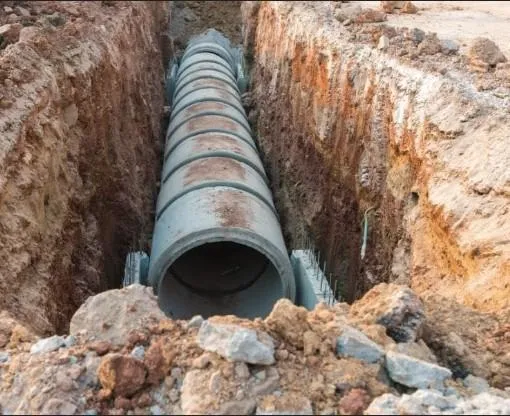
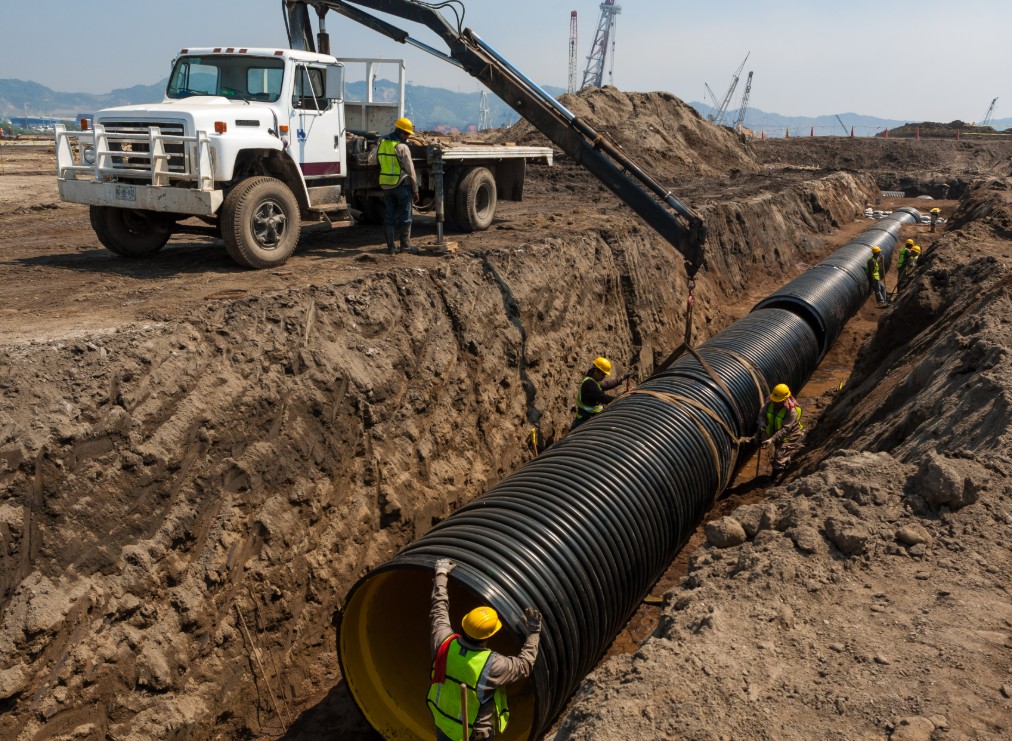
Sometimes regrading soil away from the foundation is enough. In other cases, underground drainage pipes, French drains, or surface drains are needed to properly redirect water.
The key is understanding what is causing the problem.
If water is simply flowing toward the house, grading may solve it. If water is trapped in heavy clay soil with no outlet, a more complete drainage installation near Weld County, Colorado may be necessary.
What Happens If You Ignore Drainage Problems in Northern Colorado
Water damage rarely fixes itself.
Ignoring drainage issues can lead to:
Expensive foundation repair
Basement flooding
Structural shifting
Landscaping damage
Reduced property value
The earlier you address the problem, the more options you typically have.
How Drainage Installation Near Weld County, Colorado Actually Works
Drainage installation is about controlling water flow.
Depending on the property, solutions may include:
Subsurface drain pipes that carry water away
Gravel trenches that relieve soil pressure
Surface drains that collect runoff
Downspout extensions
Strategic grading adjustments
Each system is designed to move water safely away from your home’s foundation and toward an appropriate discharge area.
The goal is not just to remove water. It is to manage it in a way that works with the land.
What to Expect During a Professional Drainage Evaluation
When we evaluate a property in Weld County, we look at:
Existing grading
Soil type
Roof runoff patterns
Hardscape layout
Areas of pooling or erosion
We ask questions about when the problem occurs and how long it has been happening. Every property is different. What works for one homeowner in Wellington may not work for someone in another part of Weld County.
That is why customization matters.
How Customized Drainage Installation Protects Your Property Long Term
A properly designed drainage system does more than fix today’s puddle.
It protects:
Your foundation
Your basement
Your landscaping
Your concrete surfaces
Your long term property value
At Silverline Excavation, LLC, we are serious about tailoring drainage solutions to the land itself. Northern Colorado properties are not identical, and drainage systems should not be either.
When water flows the way it is supposed to, everything else works better. You stop worrying every time clouds roll in. You stop checking your basement after storms. You get back to enjoying your home instead of wondering what is happening underneath it.
If you have noticed any of these warning signs, it may be time to take a closer look at what your property is trying to tell you.


