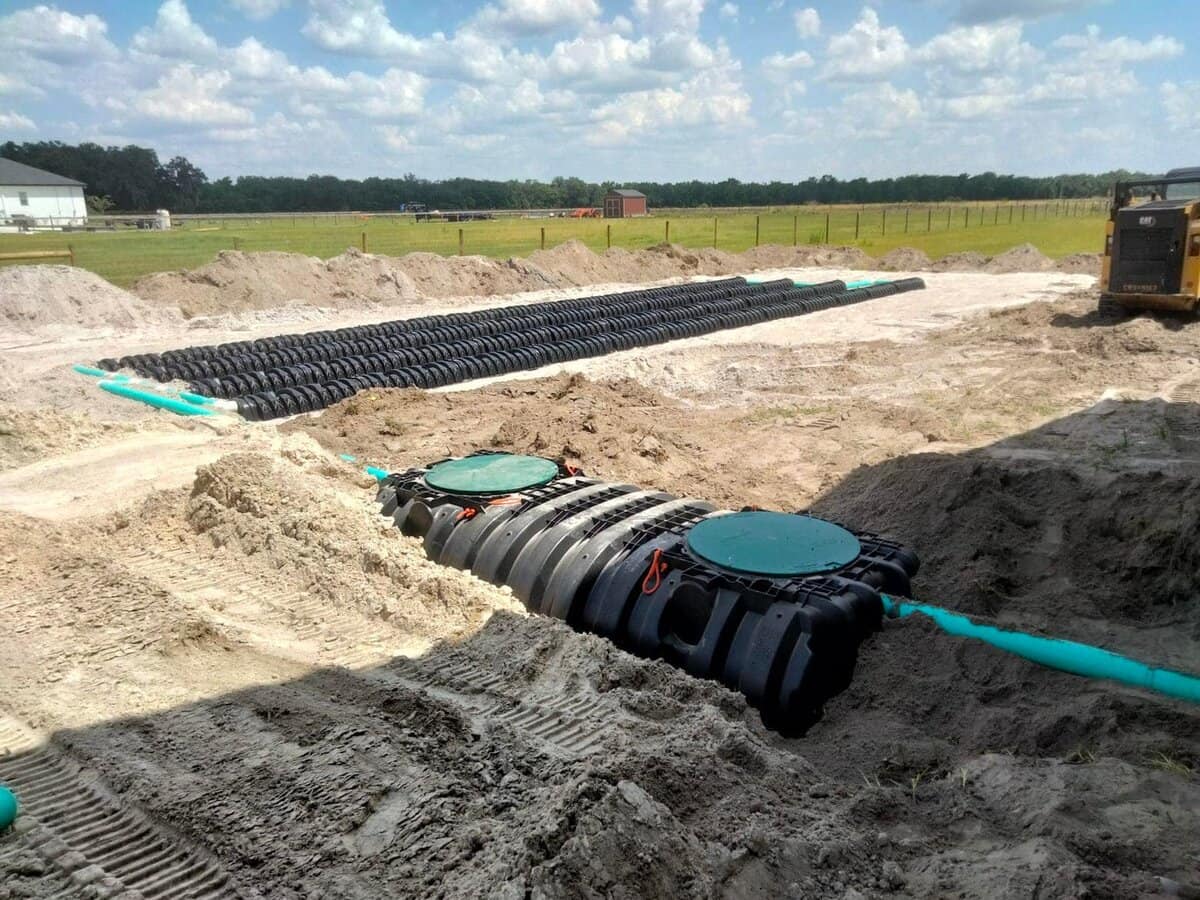
Best Practices for Septic Installation near Weld County, Colorado
Why Septic Installation Feels Overwhelming for Weld County Homeowners
If you are reading this, there is a good chance you are standing at a crossroads. Maybe you are building a home on acreage. Maybe you just bought land. Maybe your old septic system failed and now everything feels urgent and expensive all at once.
From your side of the table, septic installation probably feels confusing, high-stakes, and full of unknowns. You are being asked to make permanent decisions about something you cannot see once it is buried. You are hearing new terms like perc tests, drain fields, setbacks, soil profiles, and engineered systems. You are also hearing a wide range of opinions on cost, timelines, and what is really required in Weld County.
That uncertainty creates stress. We see it all the time.
Our role is not to pressure you or overwhelm you with technical language. Our job is to help you understand what matters, what does not, and how to make smart decisions that protect your property long term. This article is meant to do exactly that.

What Makes Septic Installation near Weld County Different From Other Parts of Colorado
One of the biggest mistakes homeowners make is assuming septic installation works the same everywhere. It does not.
Weld County presents a unique mix of soil types, groundwater conditions, land use patterns, and regulatory requirements. Some properties are flat with deep soils. Others are tight, sloped, or have high seasonal water tables. Rural subdivisions, agricultural land, and newer developments all come with different challenges.
Best practices here are not about shortcuts. They are about understanding local conditions and designing systems that work with the land instead of fighting it.
Understanding Weld County Soil, Groundwater, and Drainage Conditions
Soil is the foundation of every septic system. In Weld County, soils can range from sandy and fast-draining to heavy clay that holds water. Some areas drain well on the surface but trap moisture below. Others look dry until spring runoff changes everything.
Best practice starts with proper soil evaluation. That means understanding not only how fast water moves through the soil, but also how seasonal changes affect saturation.
Ignoring these details often leads to systems that struggle from day one. Taking the time to understand them leads to systems that perform quietly for decades.
Choosing the Right Septic System for Weld County Properties
There is no single “best” septic system for Weld County. There is only the best system for your specific property.
Some sites are well suited for conventional gravity systems. Others require pressure distribution or engineered designs to manage water flow and treatment properly. The right choice depends on soil, space, slope, groundwater, and future land use.
Best practice means selecting a system that fits your land and your lifestyle, not forcing your land to accept a system that barely meets minimum standards.
Why Proper Septic System Design Matters Before Any Digging Begins
Design is where good septic installations are won or lost.
A proper design accounts for setbacks, elevations, flow paths, and long-term use. It considers how vehicles, buildings, and drainage patterns interact with the system. It also leaves room for maintenance and future repairs without tearing up your property.
Rushing through design to save time often costs far more later. Thoughtful design prevents expensive corrections and protects your investment.
Best Practices for Septic Permits and Local Code Compliance in Weld County
Permitting is not paperwork for paperwork’s sake. Local codes exist because systems that fail do real harm to property, groundwater, and health.
Best practice is to treat permits as part of the planning process, not an obstacle. When permits, inspections, and design all align, installations move smoothly and surprises are minimized.
Cutting corners here almost always comes back to haunt homeowners during resale, inspections, or system failure.
Site Preparation Best Practices That Prevent Long-Term Septic Problems
Site preparation is more than clearing space for equipment. It involves protecting soil structure, managing water during construction, and preventing compaction in areas that need to absorb and treat wastewater.
Heavy equipment in the wrong place can ruin a drain field before it is even installed. Best practice means planning access, staging materials carefully, and respecting the treatment areas from start to finish.
Installation Techniques That Protect Your Septic System From Early Failure
How a system is installed matters just as much as what system is chosen.
Pipe slopes, bedding materials, connection methods, and backfill techniques all affect performance. Small errors add up quickly underground. Best practice means precision at every step, not rushing to get dirt back in the hole.
A properly installed system works quietly. A poorly installed one announces itself with odors, backups, and repairs.
Drain Field Placement Best Practices for Weld County Land and Layouts
Drain fields are the heart of the system. Placement affects how well wastewater is treated and how long the system lasts.
Best practice includes placing drain fields in undisturbed soil, away from traffic, structures, and drainage paths. It also means accounting for future landscaping and construction plans.
Once a drain field is compromised, there are no easy fixes. Getting it right the first time matters.
Common Septic Installation Mistakes Weld County Homeowners Should Avoid
We see the same mistakes repeated across the region:
Choosing the lowest bid without understanding what is included
Ignoring soil and seasonal water changes
Rushing installation to meet construction deadlines
Overlooking access for maintenance
Treating septic as an afterthought rather than infrastructure
Avoiding these mistakes starts with asking the right questions early.
How Weather and Seasonal Timing Affect Septic Installation in Weld County
Weather plays a larger role than most people realize. Frozen ground, saturated soils, and spring runoff can all affect installation quality.
Best practice means scheduling work when soil conditions allow for proper excavation, compaction, and placement. Waiting a few weeks can sometimes save years of frustration.
Best Practices for Protecting Your Septic System During Construction
During home construction, septic systems are vulnerable. Heavy traffic, material storage, and unplanned changes can damage components.
Best practice includes clearly marking system areas, coordinating with builders, and protecting treatment zones until construction is complete.
What a Proper Septic Installation Inspection Should Actually Look Like
Inspections are not just about checking boxes. A meaningful inspection verifies elevations, materials, layout, and workmanship.
Homeowners should feel comfortable asking what is being inspected and why. Transparency here builds confidence and prevents surprises later.
How Custom Septic Installation Solves Problems Cookie-Cutter Systems Cannot
No two properties are the same. Custom installation is not about luxury. It is about fit.
By tailoring system design and installation to each site, problems are solved before they appear. That is how long-term performance is achieved without constant attention.
Long-Term Maintenance Practices That Start With Proper Installation
Good maintenance starts with good installation. Proper slopes, access points, and component placement make routine care easier and more effective.
When systems are installed with maintenance in mind, homeowners spend less time worrying and less money fixing avoidable issues.
What to Ask Before Hiring a Septic Installation Contractor in Weld County
Before hiring anyone, ask:
How do you evaluate soil and site conditions
How do you customize systems for different properties
How do you protect drain fields during installation
How do you coordinate permits and inspections
How do you communicate changes and decisions
Clear answers here signal professionalism and experience.
How We Approach Septic Installation Projects Across Northern Colorado
From our perspective, septic installation is not just excavation. It is problem-solving.
We approach each project by listening first, evaluating the land carefully, and building systems that match how people actually live on their property. Customization is not an extra step. It is the foundation of good work.
Making Confident Septic Decisions Without Guesswork or Pressure
Septic installation does not have to feel intimidating. With the right information, clear communication, and thoughtful planning, it becomes a manageable process.
The best outcomes come from informed homeowners who understand their options and trust the process. That is what best practices are really about.


