Barn Demolition near Larimer County, CO | Best Practices for Rural Property Owners in Northern Colorado
Barn Demolition near Larimer County: What Homeowners Need to Know
You stand in front of a tired barn and feel two things at once: memories and worry. The roof sags. The siding rattles in the wind. You wonder if it’s safe to walk inside, and you worry about what it will cost to take it down the right way. You’re not trying to start a big project—you just want your property safer, cleaner, and ready for what’s next.
We get it. At Silverline Excavation, LLC in Wellington, Colorado, we work with rural homeowners across Larimer and Weld Counties who are facing the same decision: repair, repurpose, or remove. This guide explains how barn demolition really works here in Northern Colorado—clear, step-by-step, no fluff—so you can make a smart choice and feel confident about the process.
Our goal isn’t to brag. It’s to share what we’ve learned in the field, help you avoid surprises, and show you practical ways to save time and money while protecting your land.
Who We Serve: Silverline Excavation, LLC in Wellington and Northern Colorado
We’re based in Wellington and serve most of Northern Colorado, including rural areas outside Fort Collins, as well as the wider Larimer and Weld County region. Many of our projects are on gravel roads, pasture land, and long driveways. We plan each job around access, utilities, weather, and your goals for the site—whether that’s open pasture, a level pad for a future shop, or new fencing and drive lanes.
Every property is different. Some barns sit on rock-hard clay. Others sit in low spots that hold water. We customize our plan to fit your site so the work is safe, tidy, and predictable.
When to Demolish a Barn vs. Repair or Relocate
You don’t have to swing a hammer to know when a barn is beyond saving. Look for:
Severe structural lean (walls or posts out of plumb)
Rot at post bases and sill plates
Truss or rafter failure, especially under heavy snow loads
Foundation heaving or large cracks
Roof deck daylight—if you see the sky, water has been getting in for a long time
If repairs cost more than half the price of a new structure—or if the building can’t safely hold tools, hay, or equipment—demolition is usually the practical path. Sometimes we can deconstruct the barn and salvage beams or siding. If it’s structurally sound but in the wrong place, relocation is possible, though it involves specialized rigs and careful planning. We’ll help you weigh these options before you commit.
Larimer County Permits and Rules for Barn Demolition
Even rural barns can trigger local requirements. Plan for:
Demolition permit (where required)
Utility sign-offs (power, gas, water)
Waste and recycling documentation
Dust and erosion controls where applicable
Rules can vary by location and scope. We recommend starting the permit talk early. We prepare site maps, note haul-out routes, and build a safety plan that matches county expectations. It’s not paperwork for paperwork’s sake—it keeps everyone safe and avoids delays.
Utility Locates and Service Disconnects Before Any Demolition
Before any bucket or blade touches the barn, all utilities must be located and shut off:
Electrical: Overhead drops and buried service laterals
Gas/Propane: Tanks, regulators, and old buried lines
Water/Wells: Supply lines that may cross the work zone
Septic/Drain Lines: Fragile, and often not where you think
We call in utility locates and verify disconnects. If there’s an old panel or meter base on the barn, we coordinate with the power company so there’s no live power anywhere near the work.
Assessing Hazards: Lead Paint, Asbestos, Rodents, and Bats
Older barns sometimes include materials that require special handling:
Lead paint on siding and trim
Asbestos in old roofing, mastics, or insulation
Rodent nests and droppings (respiratory hazard)
Bat colonies (protected wildlife)
We don’t guess. If materials look suspect, we recommend testing. If results show controlled materials, we bring in the right containment, PPE, and disposal plan. This protects your family, our crew, and the environment—and keeps you compliant.
Wildlife, Nests, and Environmental Protections in Northern Colorado
Barns make warm homes for birds, owls, and other wildlife. We check for active nests and roosts before work begins. If we find any, we adjust timing or methods. We also set up straw wattles or silt fence if the site slopes toward a ditch, creek, or pond, so debris and sediment don’t travel offsite.
Choosing a Method: Deconstruction vs. Mechanical Demolition
There are two main paths:
Deconstruction (Piece-by-Piece)
Slower, more careful
Better for salvaging beams, siding, and hardware
Less noise and dust
Often used for historic or sentimental structures
Mechanical Demolition (Machine-Led)
Faster, more cost-effective for unstable barns
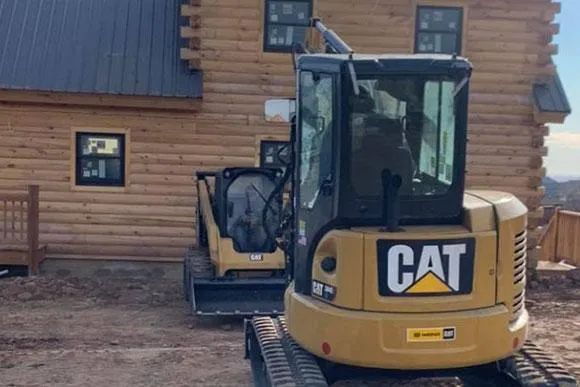
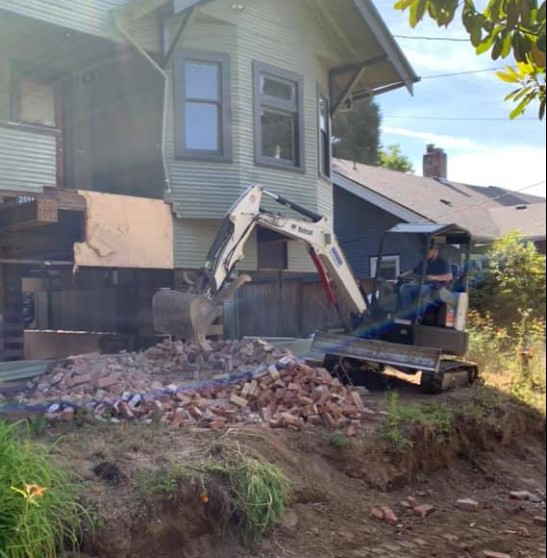
Uses excavators, grapples, and skid steers
Requires clear safety zones and debris sorting
Sometimes we combine methods—hand-strip valuable lumber, then mechanically drop the frame. We suggest the approach that fits your barn’s condition, your budget, and your timeline.
Cost Factors for Barn Demolition Near Larimer and Weld Counties
Every homeowner wants to know “how much.” Fair question. Final cost depends on:
Size and height of the barn
Structural condition (safe to climb or too risky to touch)
Material mix (metal, timber, block)
Hazards (lead, asbestos, bats)
Access (tight gates, soft ground, long hauls)
Recycling goals (salvage takes time but can offset costs)
Disposal (distance to transfer stations or recycling centers)
We provide itemized estimates so you can see the breakdown—labor, equipment, haul-off, disposal, site grading, and seeding if you want it. No vague “lump sums” that hide surprises.
Scheduling Around Colorado Weather, Wind, and Fire Risk
Northern Colorado has its own rhythm: spring winds, summer lightning, fall dry spells, and winter snow. Wind drives dust. Dry spells raise fire risk. Freeze-thaw makes ground soft, then hard again.
We plan demolition windows to:
Avoid high-wind days when dust can blow offsite
Keep water trucks and hoses handy for dust and fire prevention
Use cold mornings for firm ground and afternoons for cleanup
Protect your pasture from rutting after storms
Safety Plan: Dust Control, PPE, Exclusion Zones, and Fire Watch
A safe site is a productive site. Our core controls:
Exclusion zones with cones and tape
PPE: hard hats, eye protection, respirators when needed
Dust control: water spray during knock-down and sorting
Spotter communication: radios and clear hand signals
Fire watch: water on-site, spark checks if cutting metal
We also keep first-aid kits, spill kits, and a cleanup plan ready before the first cut.
Equipment and Crew Setup for Rural Access Roads and Soft Ground
Rural driveways and pasture soil need respect. We choose gear that fits:
Mid-size excavator with a thumb or demolition grapple
Skid steer with forks and bucket for sorting
Matting or rock for soft approaches
Dump trailers or roll-off containers staged where trucks can turn safely
Proper staging prevents ruts, broken culverts, and stuck trucks—saving time and your topsoil.
Material Sorting, Recycling, and Salvage for Old Barn Lumber
Barns are treasure boxes if handled right:
Timbers and beams: great for mantels, pergolas, or resale
Board-and-batten siding: sought-after for accent walls and furniture makers
Metal roofing: recyclable and quick to stack
Concrete: can sometimes be crushed and reused as base
We set up sorting lanes so wood, metal, and debris don’t mix. The clearer the sort, the lower your disposal costs and the better your salvage value.
Debris Hauling and Local Disposal Options in Northern Colorado
We plan haul-off to minimize trips and fees. That usually means:
Load metal separately for recycling
Keep clean wood apart from treated or painted wood
Stage concrete for separate handling
Reserve mixed debris for the last container
This approach is simple math: fewer mixed loads = lower disposal costs.
Site Grading, Erosion Control, and Soil Health After Demolition
A clean site is more than a pile hauled away. We:
Grub and remove roots or stumps that would rot later
Backfill and compact voids for a solid surface
Grade to shed water away from future pads, driveways, or pens
Install wattles or straw mulch if a slope could wash out
Leave no nails behind—magnet sweeps are standard
If the barn sat in a low spot, we can discuss minor re-grade or swale work to keep water moving the right way.
Seeding, Reuse Plans, and Preparing the Pad for Future Builds
Tell us what you want next, and we’ll match the finish:
Pasture finish: rake, seed, and straw for soil cover
Garden or orchard: remove debris and amend soil as requested
Future shop or loafing shed: compacted pad with road base
Drive lanes: crown and compact for drainage
Clear plans today prevent rework tomorrow.
Neighbor Notices, Noise Windows, and Road Use Etiquette
Demolition can be loud. A quick heads-up to neighbors goes a long way. We also:
Schedule the noisiest tasks during daylight windows
Keep road shoulders clean—no nails or splinters
Use back-up alarms and spotters for safety
Stage trucks to avoid blocking mail routes or school buses
Good manners on rural roads keep projects smooth and friendly.
DIY vs. Hiring Pros: How to Decide for Your Property
Some barns look simple. But hidden hazards and heavy loads turn “weekend jobs” into risky, expensive messes. Consider hiring pros if:
The structure leans or sways
There’s unknown electrical or gas
You need salvage done safely and cleanly
You want grading and seeding handled in the same visit
You can’t haul multiple debris loads or manage disposal rules
If you’re set on DIY, we’re glad to give advice on safety, sequencing, and disposal so you don’t get stuck halfway.
How Silverline Customizes a Barn Demolition Plan for Your Site
Every plan starts with a walk-through and a conversation about your goals. Then we tailor:
Scope: deconstruction for salvage or machine-led demo
Hazard checks: testing if materials look suspect
Utility coordination: locates, disconnects, and sign-offs
Access plan: matting or alternate routes if needed
Equipment lineup: right-sized machines for your ground
Sorting strategy: salvage first, then metal, then debris
Haul-off: efficient container or trailer sequencing
Finish work: grading, seeding, and erosion control
Cleanup: magnet sweeps and final walk-through
You’ll know what’s happening, in what order, and why it matters.
Next Steps: Getting a Clear, Itemized Estimate and Timeline
Here’s how to move forward without stress:
Schedule a site visit. We’ll look at structure, access, and utilities.
Get an itemized estimate. Labor, equipment, salvage steps, hauling, disposal, grading—listed line by line.
Pick your finish. Pasture seed, compacted pad, or “ready for the next build.”
Set dates with weather in mind. We’ll target a window that works for wind, ground conditions, and your schedule.
Walk the site together at the end. We’ll make sure the results match your goals.
Barn demolition doesn’t have to be a headache. With a plan, the right gear, and respect for your land, it becomes a clean hand-off from “what was” to “what’s next.” If your barn is worn out, leaning, or just in the wrong place, we can help you make a decision you’ll feel good about a year from now.
We’re Silverline Excavation, LLC in Wellington, serving Larimer, Weld, and most of Northern Colorado. Tell us what you want your property to become. We’ll build the path to get you there—safely, cleanly, and on your terms.


